How to Choose the Best Siding for Your Home

Choosing the right siding for your home is more than just a matter of aesthetics; it’s about protection, energy efficiency, and long-term value. With so many options available, it can be overwhelming to decide which material is best suited for your needs. This guide will walk you through the various types of siding, their benefits, and how to make an informed decision that enhances your home’s appearance and functionality.
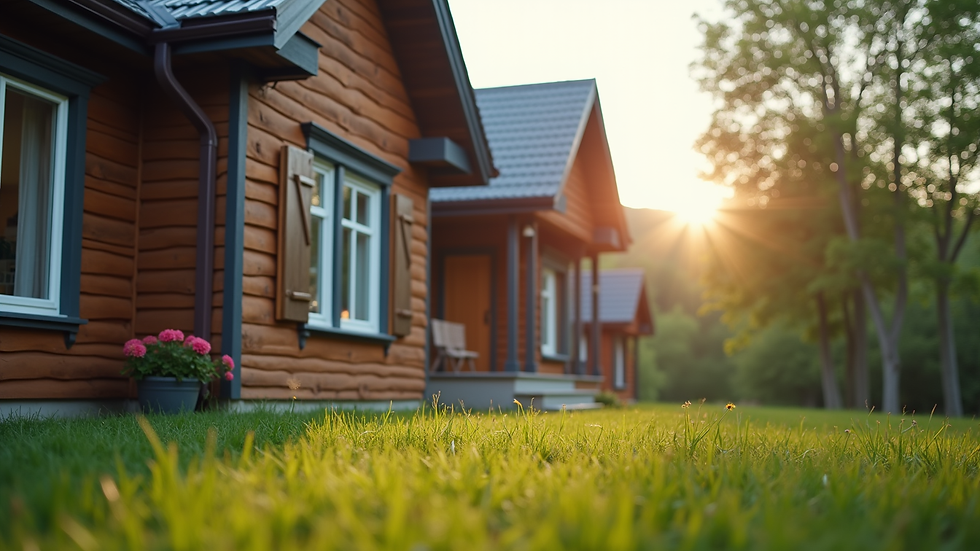
Understanding Different Types of Siding
Before diving into the selection process, it’s essential to understand the various types of siding available. Each material comes with its own set of advantages and disadvantages.
Vinyl Siding
Vinyl siding is one of the most popular choices among homeowners due to its affordability and low maintenance.
Pros:
- Cost-effective: Generally cheaper than other materials.
- Variety of colors: Available in numerous colors and styles.
- Durability: Resistant to rot, insects, and fading.
Cons:
- Less insulation: May not provide the same energy efficiency as other materials.
- Dents easily: Can be damaged by hail or heavy impacts.
Wood Siding
Wood siding offers a classic and natural look that many homeowners desire.
Pros:
- Aesthetic appeal: Provides a warm and inviting appearance.
- Insulation: Offers good thermal insulation properties.
Cons:
- Maintenance: Requires regular painting or staining to prevent rot and insect damage.
- Cost: Generally more expensive than vinyl.
Fiber Cement Siding
Fiber cement siding is a composite material made from cement, sand, and cellulose fibers.
Pros:
- Durability: Resistant to fire, insects, and rot.
- Versatility: Can mimic the look of wood, stucco, or masonry.
Cons:
- Weight: Heavier than other siding materials, which may require additional structural support.
- Cost: More expensive upfront compared to vinyl.
Aluminum Siding
Aluminum siding is lightweight and resistant to rust, making it a durable option.
Pros:
- Low maintenance: Requires minimal upkeep.
- Fire-resistant: Offers good protection against fire.
Cons:
- Dents easily: Can be damaged by hail or heavy impacts.
- Color fading: May lose its color over time if not properly coated.
Factors to Consider When Choosing Siding
When selecting siding for your home, consider the following factors to ensure you make the best choice:
Climate
Your local climate plays a significant role in determining the best siding material. For example:
Hot and humid climates: Vinyl or fiber cement siding may be ideal due to their resistance to moisture and insects.
Cold climates: Wood siding can provide excellent insulation but requires more maintenance.
Budget
Your budget will significantly influence your choice of siding. Here’s a rough estimate of costs per square foot for various materials:
Vinyl siding: $2 - $7
Wood siding: $3 - $10
Fiber cement siding: $5 - $12
Aluminum siding: $3 - $8
Aesthetic Preferences
Consider the architectural style of your home and the look you want to achieve. For instance:
Traditional homes: Wood siding or fiber cement can enhance the classic look.
Modern homes: Vinyl or aluminum siding may provide a sleek and contemporary appearance.
Maintenance Requirements
Different siding materials require varying levels of maintenance. If you prefer a low-maintenance option, vinyl or aluminum siding may be the best choice. On the other hand, if you enjoy the look of wood, be prepared for regular upkeep.
Energy Efficiency and Insulation
Energy efficiency is a crucial factor in selecting siding. Proper insulation can help reduce heating and cooling costs. Here are some options to consider:
Insulated vinyl siding: Offers added insulation, which can improve energy efficiency.
Fiber cement siding: Provides good insulation properties, especially when combined with proper installation techniques.
Installation Considerations
The installation process can vary significantly depending on the type of siding you choose. Here are some points to keep in mind:
Professional installation: Some materials, like fiber cement, may require professional installation due to their weight and complexity.
DIY options: Vinyl siding is often easier for homeowners to install themselves, making it a popular choice for DIY enthusiasts.
Local Building Codes and Regulations
Before making a final decision, check your local building codes and regulations. Some areas may have restrictions on certain materials or require specific installation methods. Ensuring compliance can save you from potential fines or issues down the line.
Environmental Impact
If sustainability is important to you, consider the environmental impact of your siding choice. Here are some eco-friendly options:
Recycled materials: Some vinyl and fiber cement sidings are made from recycled materials, reducing their environmental footprint.
Wood from sustainable sources: Look for wood siding certified by organizations like the Forest Stewardship Council (FSC).
Making the Final Decision
After considering all the factors, it’s time to make your final decision. Here’s a quick checklist to help you:
Assess your budget: Determine how much you can afford to spend on siding.
Evaluate your climate: Choose a material that can withstand local weather conditions.
Consider aesthetics: Select a style that complements your home’s architecture.
Think about maintenance: Choose a material that fits your lifestyle and maintenance preferences.
Check local regulations: Ensure your choice complies with local building codes.
Conclusion
Choosing the best siding for your home is a significant decision that impacts both its appearance and functionality. By understanding the different types of siding, considering essential factors, and evaluating your personal preferences, you can make an informed choice that enhances your home’s value and comfort. Take your time, do your research, and don’t hesitate to consult with professionals if needed. Your home deserves the best, and the right siding can make all the difference.


Comments